Linoleo Script Font for Authentic Handmade Designs
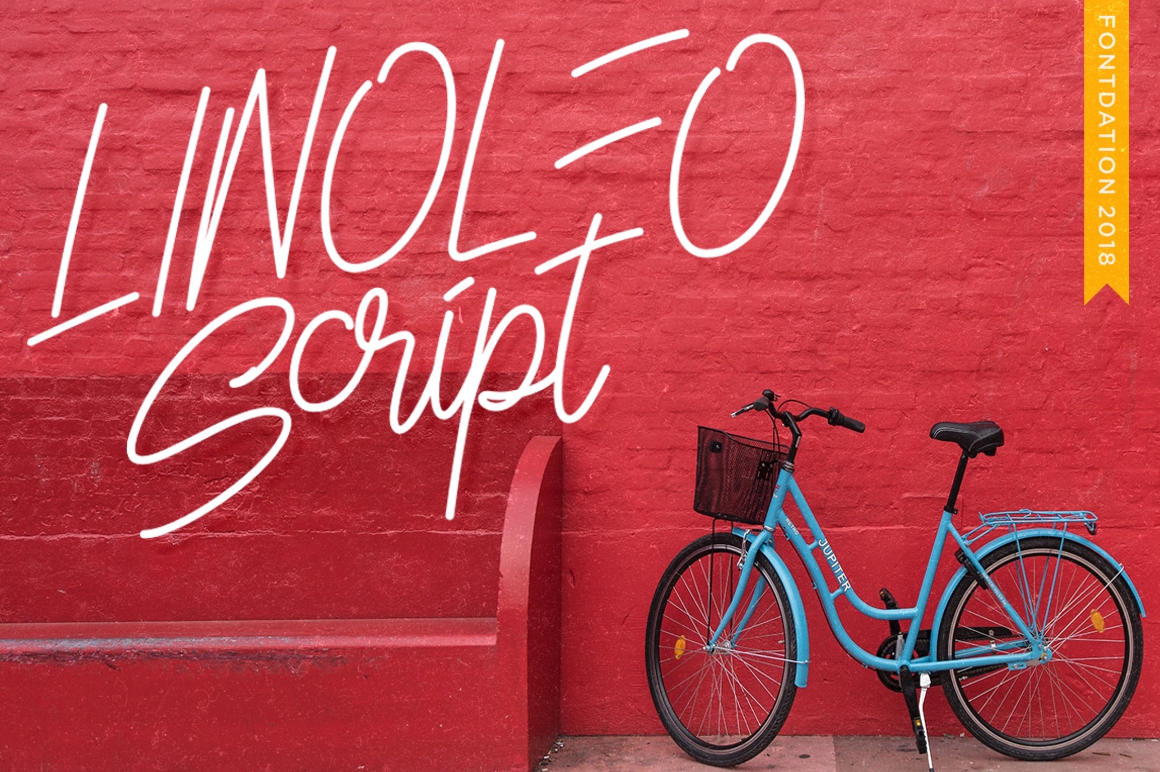
As makers and small business owners, we know that the difference between a generic product and a cherished handmade item often lies in the typography. When you are designing labels for soy candles, creating wedding stationery suites, or cutting vinyl decals for tumblers, the font you choose carries as much weight as the materials themselves. Linoleo Script is a handwritten monoline script that bridges the gap between digital convenience and genuine penmanship. Unlike many script fonts that feel overly manufactured or stiff, this typeface offers an authentic texture because the letter-forms were carefully traced from actual handwriting. For crafters using Cricut or Silhouette machines, Etsy sellers building a cohesive brand identity, and printable designers seeking readability, Linoleo Script provides a versatile foundation for commercial and creative projects.
The Monoline Advantage for Cutting Machines and Labels
One of the most practical aspects of Linoleo Script for physical product creators is its monoline structure. In the world of vector cutting and plotter printing, variable stroke widths can sometimes be problematic. Thick swashes may cut cleanly, but thin hairlines can tear delicate paper or fail to weed properly on adhesive vinyl. Because Linoleo Script maintains a consistent stroke width throughout, it is exceptionally reliable for die-cutting machines. This makes it an ideal choice for intricate sticker sheets, cake toppers, and detailed signage where structural integrity matters.
Beyond production mechanics, the monoline aesthetic aligns perfectly with modern minimalist trends. It feels approachable and friendly without sacrificing elegance. When applied to product packaging, such as kraft paper tags for boutique clothing or glass jar labels for homemade preserves, the uniform line weight ensures legibility even at smaller sizes. Customers can read ingredients, names, or dates quickly, which is essential for both user experience and perceived quality. The font strikes a balance between decorative charm and functional clarity, ensuring your hard work doesn't get lost in illegible flourishes.
Elevating Wedding Stationery and Event Signage
Wedding and event stationery remain a cornerstone market for many independent designers. Linoleo Script shines in this category because it mimics the organic flow of a calligraphy pen without the high cost of custom hand-lettering for every single invitation. Its modern calligraphy inspiration makes it perfect for contemporary couples who want romance without stuffiness. Use this display font for couple names on welcome signs, seating charts, and place cards. The authentic tracing gives it a human touch that resonates emotionally with recipients, making mass-produced prints feel bespoke.
For larger format applications like acrylic welcome boards or wooden directional signs, the font’s open counters and relaxed spacing prevent visual clutter. When designing templates for clients, consider how Linoleo Script interacts with negative space. It breathes well on the page, allowing you to create balanced layouts that look expensive and intentional. Whether you are selling editable Canva templates or finished printed goods, this script font adds immediate value by providing a professional yet personal typographic voice.
Strategic Font Pairing for Brand Consistency
A beautiful script cannot stand alone in a professional design ecosystem. To maximize the commercial utility of Linoleo Script, you must pair it effectively with supporting typefaces. As a primary display font, it demands a partner that grounds the composition. For product labels and packaging design, pair Linoleo Script with a clean, geometric sans serif font. The contrast between the organic curves of the script and the structured neutrality of a sans serif creates a modern hierarchy that guides the customer’s eye. The script draws attention to the brand name or product variety, while the sans serif handles the technical details like volume, scent notes, or care instructions.
Alternatively, for more traditional or heritage-style branding, try pairing Linoleo Script with a classic serif font. This combination evokes nostalgia and craftsmanship, making it suitable for artisanal food products, vintage-inspired apparel, or literary-themed printables. When designing social media graphics or digital downloads, ensure your secondary font has enough weight to balance the monoline script. Avoid pairing it with another highly decorative font, as this competes for attention and reduces readability. The goal is to let Linoleo Script be the star while other design assets support the overall brand identity.
Practical Applications Across Craft Categories
Versatility is key when investing in premium fonts for a small business. Linoleo Script adapts to numerous niches within the maker community:
- Home Decor and Wall Art: Create inspirational quotes, nursery name signs, and kitchen conversion charts. The handwritten style makes digital prints feel like original artwork.
- Apparel and Textiles: Design heat transfer vinyl (HTV) designs for t-shirts, tote bags, and baby onesies. The consistent line weight ensures smooth pressing and washing durability.
- Planner and Journaling Accessories: Develop dashboard covers, monthly inserts, and sticker kits. The font’s friendly tone encourages engagement and personalization.
- Seasonal Merchandise: From holiday gift tags to summer camp water bottle stickers, the font transitions easily between seasons without feeling dated.
- Digital Products: Use in iPad planner templates, social media story backgrounds, and email newsletter headers to maintain visual consistency across platforms.
When using Linoleo Script for longer phrases, pay close attention to spacing. While it works beautifully for short titles and names, extended sentences require careful kerning to maintain the illusion of connected handwriting. Test your designs at actual print size before finalizing production; what looks spacious on a 27-inch monitor might appear cramped on a 2x3 inch sticker. Always preview your mockups in context to ensure the emotional appeal translates from screen to physical object.
Technical Considerations and Commercial Licensing
Before integrating any new typeface into your shop, verify the technical specifications and licensing terms. Check if Linoleo Script includes alternate characters, ligatures, or swashes. These extras are invaluable for avoiding repetitive letterforms in words with double letters or for adding custom flair to logo design. Multilingual support is also crucial if you serve international customers or create bilingual packaging. Ensure the font files are available in formats compatible with your software, whether that is OTF for Adobe Illustrator, TTF for Cricut Design Space, or WOFF for web design integration.
Most importantly, understand the commercial licensing associated with Linoleo Script. As a seller of physical products, templates, or digital downloads, you need assurance that your usage is compliant. A proper commercial license protects your business and respects the type designer’s intellectual property. Review whether the license covers end products for sale, client work, or digital distribution. Investing in legitimate font licenses not only keeps your shop safe but also supports the ecosystem of independent type designers who create the tools we rely on. When you use Linoleo Script with confidence and compliance, you elevate your entire brand, offering customers typography that feels as thoughtful and authentic as the handmade goods it adorns.